
ShanghaiBeauty: The Enchanting Game of Strategy and Style
Explore the captivating world of ShanghaiBeauty, a game that blends strategy and style with intriguing new elements like the jilicrown.


Jueteng is a popular numbers game in the Philippines, deeply entrenched in the country's cultural and social fabric. This illicit lottery has captivated the attention of many, from the common populace to high-level officials. Despite numerous crackdowns, jueteng continues to persist, often propagating under the knowledge of local law enforcers. The term "Jueteng" is of Chinese origin, pointing to its roots during the Spanish colonial period, when it was a pastime for the Chinese-Filipino communities.
The operations of jueteng are methodical, involving various roles from the humble cobrador (bet collector) to the influential jueteng lord. A typical jueteng transaction begins with the cobrador who roams neighborhoods collecting bets. The chosen numbers often range from 1 to 37, and the small amounts collected eventually accumulate, thus enriching the top of the ladder, the jueteng lords. These masterminds of jueteng function much like mafia bosses, using their resources to keep law enforcement at bay and maintain loyalty amongst their network.
The term "jilicrown" has emerged in recent discussions around jueteng. While interpretations vary, it often refers to a coded method of jotting down numbers or as a strategic move within the jueteng operations, symbolizing either the jackpot or a winning pattern. It implies mastery or a crowning achievement, akin to a king's rank in the illicit gambling hierarchy. Jilicrown could signify winning streaks or high-level schemes devised to manipulate the outcome of numbers drawn, making it a coveted and secretive element within the jueteng landscape.
The impact of jueteng extends beyond the financial; it weaves into the social and political landscapes of the Philippines. Jueteng operations have often been linked to corruption, with allegations involving prominent political figures. The money generated from these operations not only funds further gambling ventures but also lubricates political campaigns and under-the-table dealings. This cycle of dependency raises ethical dilemmas and questions regarding governance and rule of law.
Jueteng creates a complex form of dependency within the communities it touches. For many in economically challenged neighborhoods, jueteng offers a glimmer of hope or, at the very least, a form of entertainment. This dependency, however, does risk embedding a culture of quick fixes rather than fostering sustainable economic development. Community members are often lulled into a false sense of potential prosperity with each bet placed; the reality, however, is seldom equally rewarding.
Efforts to eradicate jueteng have been ongoing with mixed success. These initiatives range from legislative reforms and police operations to community-based interventions. However, the intricate web of relationships and money often stymies law enforcement efforts. The stigma attached to jueteng has made it a politically sensitive issue, and any reform tends to require stern willpower from local and national governments.
To undermine the influence of jueteng effectively, alternative sources of legal income and entertainment must be established. By investing in community development and education programs, governments can equip citizens with the means to pursue more sustainable livelihoods. Strengthening recreational activities and local economies can divert attention from jueteng, aligning with broader developmental goals.
While the "jilicrown" within the realm of jueteng points to sophisticated layers of planning and execution, tackling the pervasive influence of this numbers game requires multifaceted approaches. Stakeholders from all sectors must coordinate efforts to dismantle the infrastructure of jueteng while concurrently offering viable alternatives. The revelations of jueteng's pervasive grip underscore a much larger narrative about the Philippine socio-economic landscape and the need for comprehensive reform.
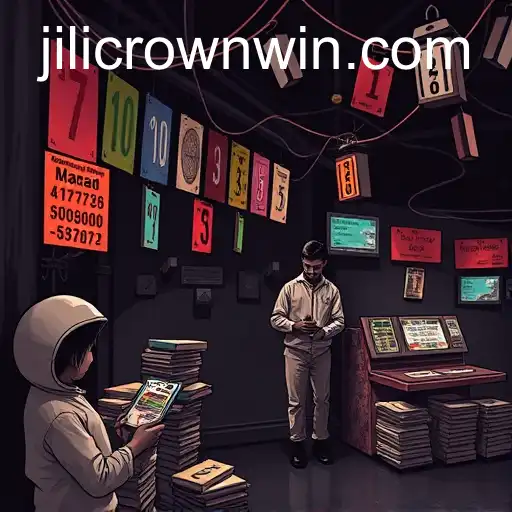
If you're looking for a reliable, fully licensed, and secure sportsbook with a wide selection of games, jilicrown is the perfect choice. We're committed to providing you with the best online betting experience, with premium quality, excellent service, and continuous innovation. Sign up now and receive ₱777 for free!
Join now
Get the latest information, experience and betting strategies from the expert team at jilicrown.
Explore the captivating world of ShanghaiBeauty, a game that blends strategy and style with intriguing new elements like the jilicrown.

Dive into the thrilling world of WildRacer, a game combining exhilarating racing with strategic gameplay.

Dive into DragonHeart, where fantasy meets strategy, and explore the mystical powers of the legendary Jilicrown.
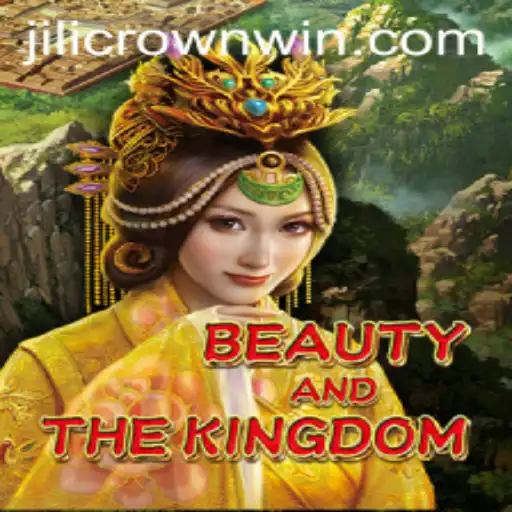
Unveil the enchanting world of BeautyAndTheKingdom, an engaging game that intertwines strategy, fantasy, and immersive storytelling, capturing the essence of heroism and leadership. Discover its intricate gameplay, thematic elements, and unique features that make it a standout experience for players worldwide.

Dive into the colorful universe of SugarRush, a gripping game experience where players embark on a quest to uncover the secrets of the legendary Jilicrown. Learn how to play, discover intriguing game rules, and explore current trends and events tied to this captivating adventure.

Dive into the captivating universe of FourTreasures, an immersive game where players seek the legendary jilicrown through strategic adventures.
 Join now